Physical Address
304 North Cardinal St.
Dorchester Center, MA 02124
Physical Address
304 North Cardinal St.
Dorchester Center, MA 02124

Discover the Craft of Authority Publishing
Discover the Craft of Authority Publishing
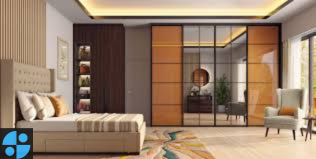
A bedroom wardrobe is far more than a piece of furniture used to store clothes. It is one of the most influential elements in a bedroom, shaping both functionality and aesthetics. Whether you live in a compact apartment or a spacious house, the wardrobe plays a central role in organizing your daily life, maintaining cleanliness, and enhancing the overall visual appeal of the room. A well-designed wardrobe can make a small bedroom feel organized and open, while a poorly planned one can quickly turn even a large space into a cluttered mess.
Over time, wardrobes have evolved from simple wooden cupboards into smart, stylish, and highly customized storage systems. Today’s homeowners expect their wardrobes to do more than just hold clothes. They want efficient storage zones, thoughtful layouts, durable materials, and designs that reflect their personal style. Understanding these expectations is essential before selecting or designing a wardrobe that truly fits your needs.
This comprehensive guide explores every important aspect of the bedroom wardrobe, helping you make informed decisions whether you are buying a ready-made option or planning a custom-built solution.
At its core, the main purpose of a bedroom wardrobe is organization. It provides a dedicated space to store clothing, accessories, shoes, and sometimes even personal items like documents or valuables. When thoughtfully planned, a wardrobe simplifies daily routines by ensuring everything has a proper place and is easy to access.
Beyond storage, wardrobes contribute significantly to a bedroom’s visual balance. A wardrobe that complements the room’s color scheme and furniture style can create a sense of harmony and calm. On the other hand, an oversized or mismatched wardrobe can dominate the space and disrupt the room’s flow. This is why modern wardrobes are designed with both practicality and aesthetics in mind.
Another important purpose is space optimization. Especially in urban homes where bedrooms are often limited in size, wardrobes help maximize vertical and horizontal space. Tall wardrobes utilize ceiling height effectively, while sliding or built-in designs help save floor area. This balance between usability and spatial efficiency defines the success of any bedroom wardrobe.
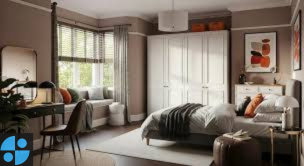
There are several types of bedroom wardrobe designs available today, each offering unique benefits depending on room size, layout, and personal preference. Freestanding wardrobes are among the most traditional options. They are movable, versatile, and available in a wide range of styles. These wardrobes are ideal for renters or those who prefer flexibility, as they can be relocated easily.
Built-in wardrobes, on the other hand, are custom-made to fit a specific wall or corner of the bedroom. They offer a seamless appearance and maximize storage by utilizing every inch of available space. Built-in designs are especially popular in modern homes because they create a clean, integrated look that blends naturally with the room’s architecture.
Sliding door wardrobes have gained immense popularity due to their space-saving nature. Since the doors slide horizontally instead of swinging outward, they are perfect for smaller bedrooms where floor space is limited. Hinged door wardrobes remain a classic choice and are often preferred for their full-access design, which allows you to see the entire wardrobe interior at once.
Each type has its own strengths, and choosing the right one depends on lifestyle needs, room dimensions, and design preferences.
Selecting the correct size for a bedroom wardrobe is crucial for both comfort and usability. A wardrobe that is too small may lead to overcrowding, while one that is too large can overwhelm the room. The ideal wardrobe size depends on the number of occupants, clothing volume, and available bedroom space.
The internal layout is just as important as external dimensions. A well-organized wardrobe typically includes a mix of hanging rods, shelves, drawers, and specialized compartments. Hanging space is essential for items like dresses, coats, and shirts, while shelves work well for folded clothes, bags, and linens. Drawers are perfect for smaller items such as undergarments, accessories, and jewelry.
Customizing the layout based on personal habits can dramatically improve daily efficiency. For example, someone who wears formal clothing regularly may require more hanging space, while a casual dresser may benefit from additional shelves. Thoughtful layout planning ensures that every section of the wardrobe serves a clear purpose.
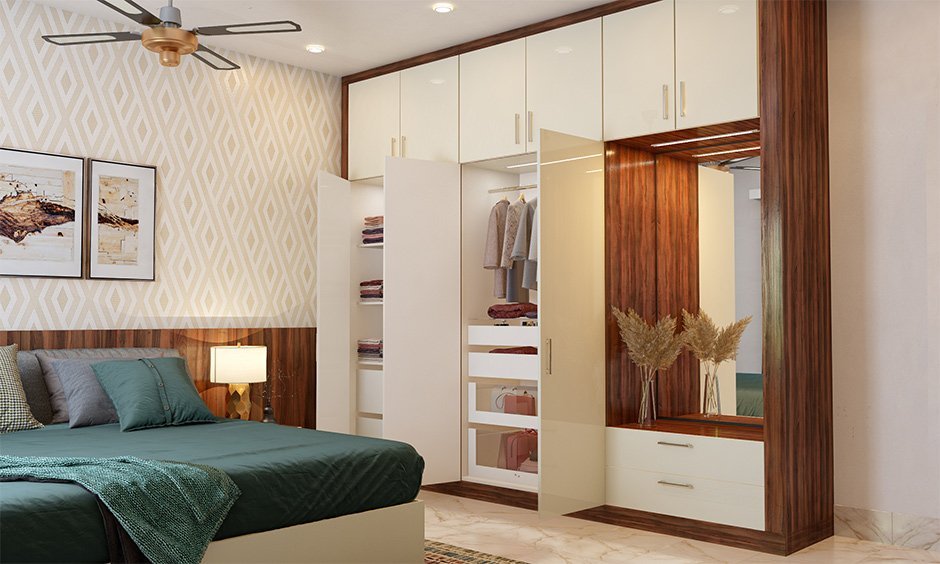
The material of a bedroom wardrobe affects its durability, appearance, and maintenance requirements. Solid wood wardrobes are known for their strength, longevity, and timeless appeal. They often bring warmth and character to a bedroom but may come at a higher cost and require regular care.
Engineered wood options such as plywood, MDF, and particleboard are widely used in modern wardrobes. Plywood offers excellent strength and resistance to moisture, making it a popular choice for long-lasting furniture. MDF provides a smooth finish that works well for painted or laminated surfaces, while particleboard is more budget-friendly but less durable.
Metal and glass elements are also commonly incorporated into contemporary wardrobe designs. Glass panels, whether clear, frosted, or tinted, add a sense of openness and elegance. Metal frames and fittings enhance structural stability and lend a modern, industrial touch. Choosing the right material depends on budget, climate conditions, and desired style.
The design of a bedroom wardrobe should align with the overall theme of the bedroom. Minimalist wardrobes emphasize clean lines, neutral colors, and simple hardware, creating a calm and uncluttered environment. These designs are ideal for modern and Scandinavian-inspired interiors.
Traditional wardrobes often feature intricate detailing, rich wood tones, and classic handles. They bring a sense of elegance and timeless charm, especially in bedrooms with vintage or heritage décor. Contemporary wardrobes strike a balance between modern simplicity and functional design, often incorporating bold finishes or unique textures.
For those seeking a luxurious feel, high-gloss finishes, mirrored doors, and integrated lighting can elevate the wardrobe’s appearance. The key is to select a design that not only looks appealing but also complements the bedroom’s proportions and lighting conditions.
Effective storage is the defining feature of a successful bedroom wardrobe. Modern wardrobes are designed with smart organization systems that make it easy to keep everything tidy. Adjustable shelves allow flexibility as storage needs change over time, while pull-out drawers and baskets provide convenient access to frequently used items.
Accessory organizers, such as tie racks, belt holders, and jewelry trays, help keep small items organized and visible. Shoe racks integrated into the wardrobe save floor space and protect footwear from dust. Some wardrobes also include hidden compartments for valuables, adding an extra layer of security.
By combining these storage solutions, a wardrobe can transform into a highly efficient system that reduces clutter and enhances daily routines. Organization not only improves functionality but also contributes to mental clarity by creating a calm and orderly space.
Lighting is often overlooked but plays a vital role in enhancing the usability of a bedroom wardrobe. Internal lighting ensures that all sections of the wardrobe are clearly visible, making it easier to find items, especially in low-light bedrooms. LED strip lights and spotlights are commonly used due to their energy efficiency and long lifespan.
Automatic sensor lights that turn on when the wardrobe doors open add a touch of convenience and luxury. Proper lighting also highlights the wardrobe’s interior design, showcasing shelves, textures, and finishes. When combined with reflective surfaces like mirrors or glossy panels, lighting can make the bedroom feel brighter and more spacious.
Thoughtful lighting placement enhances both functionality and ambiance, proving that even small details can have a significant impact on the overall experience.
Choosing between a custom-built and ready-made bedroom wardrobe depends on budget, timeline, and personalization needs. Ready-made wardrobes are easily available, cost-effective, and quick to install. They are ideal for standard room sizes and straightforward storage requirements.
Custom wardrobes, however, offer complete freedom in terms of design, size, and internal layout. They are tailored to fit specific spaces and lifestyle needs, making them perfect for irregular room shapes or unique storage demands. While custom options may require a higher investment and longer installation time, they often deliver superior functionality and visual integration.
Understanding the pros and cons of each option helps homeowners choose a solution that aligns with their priorities and long-term goals.
Proper maintenance is essential to extend the life of a bedroom wardrobe. Regular cleaning prevents dust buildup and preserves the finish. Wooden surfaces should be cleaned with appropriate products to avoid damage, while laminated or glass surfaces can be wiped with a soft, damp cloth.
Ensuring proper ventilation inside the wardrobe helps prevent moisture buildup and odors. Periodic inspection of hinges, sliders, and handles ensures smooth operation and prevents minor issues from becoming major problems. With consistent care, a well-made wardrobe can remain functional and attractive for many years.
Investing time in maintenance not only protects the wardrobe but also preserves the overall hygiene and comfort of the bedroom.
A bedroom wardrobe should reflect and support the lifestyle of its user. For individuals with busy schedules, easy accessibility and clear organization are key. Families may require larger wardrobes with shared storage zones, while minimalists might prefer compact designs with fewer compartments.
Lifestyle compatibility also extends to future needs. A wardrobe that allows for adjustments and expansions can adapt as clothing collections grow or change. Considering long-term usage ensures that the wardrobe remains relevant and functional over time.
When a wardrobe aligns with daily habits and personal preferences, it becomes a seamless part of life rather than just a storage unit.
Sustainability is becoming an important factor in furniture choices, including the bedroom wardrobe. Opting for eco-friendly materials, low-emission finishes, and responsibly sourced wood contributes to a healthier indoor environment and reduced environmental impact.
Durable construction also supports sustainability by reducing the need for frequent replacements. Choosing quality over quantity ensures that the wardrobe remains useful for years, minimizing waste and promoting conscious living.
An environmentally responsible wardrobe choice benefits both the homeowner and the planet.
A thoughtfully designed bedroom wardrobe does more than organize belongings; it influences mood and mental well-being. An organized wardrobe reduces daily stress by eliminating the frustration of searching for items. It creates a sense of control and order that positively affects the start and end of each day.
The visual appeal of a well-integrated wardrobe also enhances the bedroom’s atmosphere, making it a more relaxing and welcoming space. This emotional connection highlights the importance of investing time and thought into wardrobe design.
When form and function come together, the wardrobe becomes a source of comfort and satisfaction.
The bedroom wardrobe is a foundational element of any bedroom, combining storage, style, and functionality into one essential feature. From choosing the right type and size to selecting materials, layouts, and lighting, every decision plays a role in shaping the overall experience. A well-designed wardrobe not only keeps belongings organized but also enhances the bedroom’s aesthetic and supports daily routines.
By understanding your personal needs, available space, and long-term goals, you can select or design a wardrobe that truly complements your lifestyle. Whether simple or luxurious, compact or expansive, the perfect bedroom wardrobe is one that brings balance, efficiency, and peace into your living space.
What is the ideal depth for a bedroom wardrobe
The ideal depth for a bedroom wardrobe is usually around 22 to 24 inches, as this allows enough space for hanging clothes comfortably without taking up excessive room space.
How can I make a small bedroom wardrobe more functional
You can improve functionality by using vertical storage, adjustable shelves, sliding doors, and internal organizers that maximize every inch of available space.
Is a sliding door wardrobe better than a hinged one
Sliding door wardrobes are better for smaller bedrooms due to space-saving benefits, while hinged wardrobes offer full access and are suitable for larger rooms.
Which material is best for long-lasting bedroom wardrobes
Plywood is often considered one of the best materials due to its strength, moisture resistance, and durability, making it ideal for long-term use.
How often should a bedroom wardrobe be maintained
Basic cleaning should be done weekly, while a more thorough inspection and maintenance of fittings should be carried out every few months to ensure smooth operation and longevity.
for more updates come back to our website proguesthub.com