Physical Address
304 North Cardinal St.
Dorchester Center, MA 02124
Physical Address
304 North Cardinal St.
Dorchester Center, MA 02124

Discover the Craft of Authority Publishing
Discover the Craft of Authority Publishing
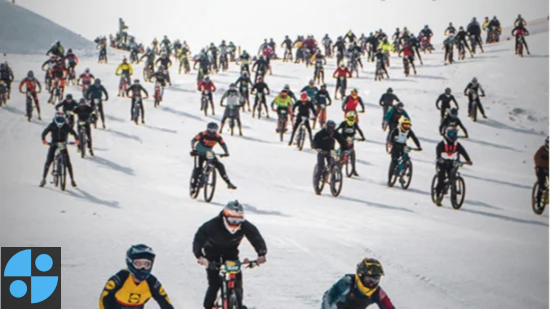
The mountain of hell bike race is not just a competition, it is a raw confrontation between human courage and untamed nature. Held high in the French Alps, this legendary event has earned a fearsome reputation for being one of the most extreme mass-start downhill mountain bike races on the planet. Riders begin their journey on a frozen glacier, surrounded by snow and ice, before plunging thousands of vertical meters down rocky trails, forest paths, mud, dust, and chaos. The race is famous not only for its speed and danger but also for the spirit of adventure it represents. For mountain biking enthusiasts, participating in the mountain of hell bike race is often seen as a badge of honor, a moment where skill, fear, and adrenaline collide.
What makes this race truly unique is its scale and unpredictability. Hundreds of riders start at the same time, shoulder to shoulder, racing down a narrow and slippery descent where one mistake can change everything. Unlike traditional downhill races where riders start individually against the clock, the mountain of hell bike race throws athletes into a wild, high-speed battle where positioning, decision-making, and mental strength are just as important as technical ability. This combination has turned the race into a global icon within extreme sports culture.
The mountain of hell bike race was first organized in the mid-1990s, born from a desire to push the limits of downhill mountain biking beyond conventional formats. The founders envisioned an event that would combine the raw thrill of alpine skiing mass starts with the technical challenge of mountain biking. The idea was simple yet radical: start riders on a glacier and let gravity decide the rest. From its earliest editions, the race attracted thrill-seekers who wanted something more intense than standard downhill competitions.
Over the years, the mountain of hell bike race has evolved in organization and safety, but it has never lost its original soul. Early races were rough, chaotic, and often dangerous, with limited safety measures and minimal trail preparation. As the event grew in popularity, professional riders began to take notice, and the race gradually gained international recognition. Despite these changes, the organizers have remained committed to preserving the race’s wild character, ensuring it remains a true test of mountain biking bravery rather than a polished commercial spectacle.
Today, the mountain of hell bike race is considered a cornerstone event in the downhill mountain biking calendar. Riders from across Europe, North America, South America, and Asia travel to the Alps to experience its legendary descent. While professional athletes often dominate the podium, amateur riders are also welcomed, reinforcing the inclusive and adventurous spirit that has defined the race since its inception.
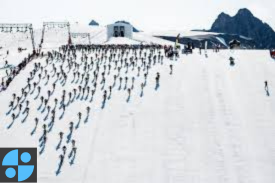
What truly sets the mountain of hell bike race apart is its mass-start format, which is almost unheard of in downhill mountain biking. Instead of racing individually against the clock, hundreds of competitors line up side by side at the top of a glacier. When the start signal is given, the entire group launches forward at once, creating a dramatic and chaotic opening that has become the race’s signature moment. The sound of tires cutting through snow and ice, mixed with the cheers of spectators, creates an unforgettable atmosphere.
The course itself is incredibly long by downhill standards, often exceeding 20 kilometers from start to finish. Riders begin on snow and ice, transition into rocky alpine terrain, and eventually descend into forested trails and dirt tracks. This constant change in surface conditions demands exceptional adaptability. The mountain of hell bike race rewards riders who can quickly adjust their riding style, braking technique, and line choices as the terrain shifts beneath them.
Another defining aspect of the race format is its endurance requirement. While downhill races are typically short and explosive, the mountain of hell bike race lasts much longer, pushing riders to manage fatigue while maintaining focus at high speeds. This blend of downhill intensity and endurance racing creates a unique challenge that few other events can replicate.
The glacier start is perhaps the most iconic feature of the mountain of hell bike race. Riders begin at high altitude, often above 3,000 meters, where oxygen levels are lower and temperatures can be extreme. The surface is a mix of compact snow, ice, and rutted lines carved by previous riders. Maintaining control in these conditions requires specialized skills, as traditional braking techniques can easily lead to loss of traction.
Studded tires are sometimes used, and riders must carefully choose their equipment to balance grip on ice with performance on dirt later in the race. The opening minutes are critical, as gaining a strong position early can help riders avoid traffic jams and crashes further down the course. The mountain of hell bike race has seen countless dramatic moments at the glacier start, including massive pile-ups and breathtaking overtakes that set the tone for the rest of the descent.
Beyond the physical challenge, the glacier start is a mental test. Riders must overcome fear as they charge downhill on a surface that offers little forgiveness. This psychological pressure is a key part of what makes the mountain of hell bike race so compelling, as success often depends on the ability to stay calm and decisive in the face of danger.
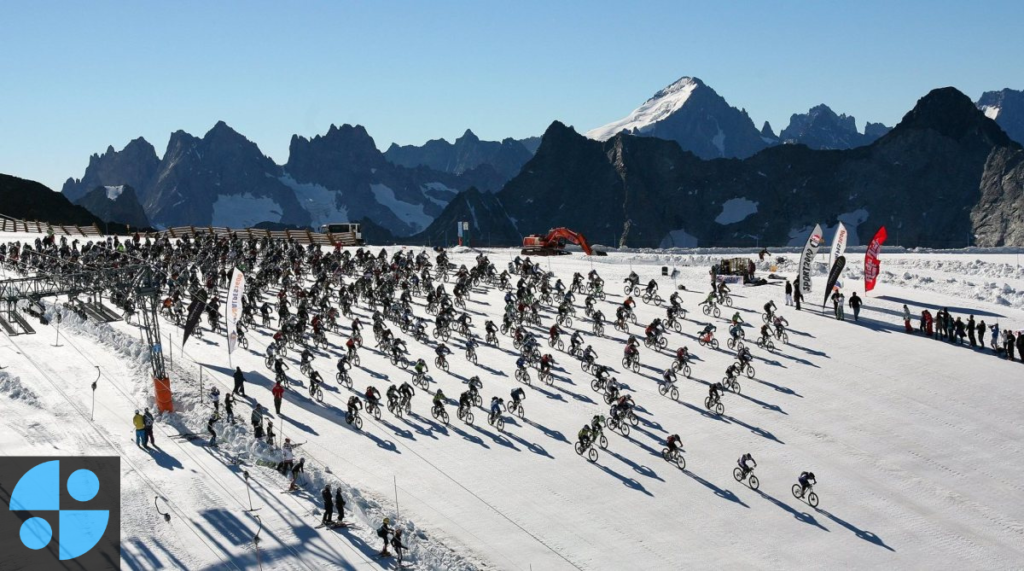
One of the most demanding aspects of the mountain of hell bike race is the incredible diversity of terrain encountered throughout the course. After leaving the glacier, riders transition onto rocky alpine sections filled with loose stones, sharp edges, and unpredictable lines. Suspension setup and bike control become crucial here, as even small mistakes can result in punctures or crashes.
As the race continues, riders descend into grassy slopes, narrow singletracks, and eventually forested areas with roots, berms, and tight corners. Each section requires a different riding approach, forcing competitors to constantly adapt. The mountain of hell bike race is not just about raw speed, it is about reading the trail, anticipating hazards, and making split-second decisions under pressure.
Weather conditions add another layer of complexity. Rain can turn dirt sections into slippery mud, while intense sun can soften snow and change grip levels on the glacier. Riders must be prepared for anything, making the race a true all-round test of mountain biking skill.
Competing in the mountain of hell bike race places enormous physical demands on riders. The long descent requires sustained muscle engagement, particularly in the arms, legs, and core. Riders must absorb impacts, maintain balance, and control their bikes at high speeds for extended periods. Fatigue can quickly set in, increasing the risk of mistakes.
Equally important is the mental challenge. The race environment is chaotic, with riders jostling for position and navigating crowded sections of trail. Staying focused while managing fear and adrenaline is essential. The mountain of hell bike race often rewards those who can maintain composure and make smart decisions, even when exhaustion threatens to take over.
Preparation for the race typically involves months of training, including strength conditioning, endurance riding, and technical skill development. Many riders also spend time practicing at high altitude to acclimate their bodies to the conditions they will face on race day.
Choosing the right equipment is critical for success in the mountain of hell bike race. Most competitors use downhill or enduro bikes with long-travel suspension to handle the rough terrain. Suspension tuning is especially important, as the bike must perform well on everything from icy slopes to rocky descents and smooth dirt trails.
Tire selection is another crucial factor. Riders must balance grip, rolling resistance, and durability. Some opt for softer compounds for better traction, while others prioritize puncture resistance to survive the rocky sections. Protective gear is also essential, with full-face helmets, body armor, and goggles being standard equipment.
The mountain of hell bike race has influenced equipment development within the mountain biking industry, as manufacturers test new technologies in one of the harshest racing environments imaginable. Innovations in suspension, frame geometry, and tire design have often been shaped by the demands of this iconic event.
Beyond the race itself, the mountain of hell bike race has fostered a strong sense of community among riders and fans. The event brings together people from diverse backgrounds who share a passion for adventure and extreme sports. The atmosphere is often described as festive and rebellious, reflecting the race’s roots in underground mountain biking culture.
Spectators line the course, cheering riders on and adding to the electric energy of the event. Social media and video coverage have helped spread the legend of the mountain of hell bike race around the world, inspiring countless riders to push their own limits. The race has become a symbol of what mountain biking can be when creativity, risk, and freedom come together.
Its influence extends beyond competition, shaping the way people view downhill mountain biking as a sport and lifestyle. The mountain of hell bike race represents the spirit of exploration and the desire to ride beyond established boundaries.
While the mountain of hell bike race is known for its danger, safety has become an increasingly important focus over the years. Organizers implement course inspections, medical support, and rider briefings to reduce risks. However, the inherent nature of the race means that danger can never be fully eliminated.
Riders are encouraged to know their limits and ride within their abilities. Experience, preparation, and respect for the mountain are essential for staying safe. The mountain of hell bike race continues to walk a fine line between preserving its extreme identity and ensuring participant safety, a balance that defines its ongoing evolution.
The mountain of hell bike race stands as one of the most iconic and demanding events in the world of mountain biking. From its dramatic glacier start to its relentless descent through ever-changing terrain, the race embodies the raw essence of extreme sport. It challenges riders physically, mentally, and emotionally, rewarding those who can combine courage, skill, and strategy under pressure. More than just a competition, the mountain of hell bike race is a celebration of adventure, resilience, and the human desire to test limits. Its legacy continues to inspire riders across the globe, ensuring its place as a true legend of downhill mountain biking.
The mountain of hell bike race uses a mass-start format, begins on a glacier, and features an exceptionally long and varied course, making it far more chaotic and demanding than traditional downhill events.
While professionals often compete, experienced amateur riders can also enter the mountain of hell bike race, provided they have strong technical skills and are well-prepared for extreme conditions.
Race times vary depending on conditions and rider ability, but the mountain of hell bike race typically lasts much longer than standard downhill races due to its length and terrain diversity.
Most riders use downhill or enduro bikes with long-travel suspension, strong brakes, and durable components suited for ice, rock, and dirt.
Yes, the mountain of hell bike race is considered one of the most dangerous mountain bike races, but proper preparation, equipment, and respect for the course can significantly reduce risks.
for more updates come back to our website proguesthub.com