Physical Address
304 North Cardinal St.
Dorchester Center, MA 02124
Physical Address
304 North Cardinal St.
Dorchester Center, MA 02124

Discover the Craft of Authority Publishing
Discover the Craft of Authority Publishing
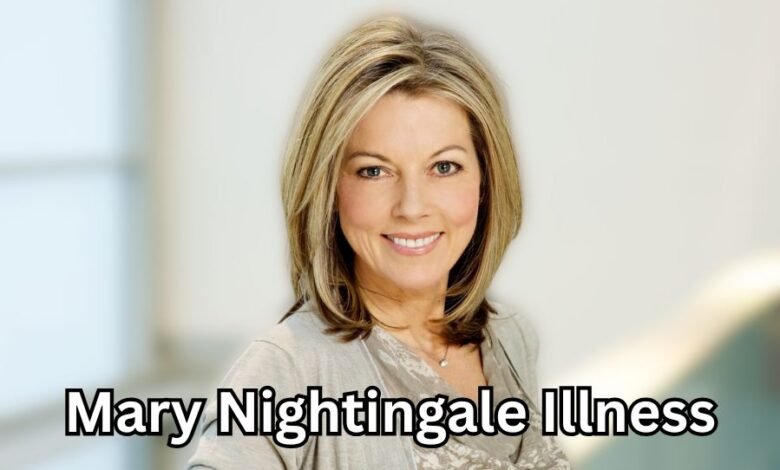
In the world of broadcast journalism, trust is built over decades, not moments. Familiar faces on television often become a steady presence in people’s lives, quietly accompanying major world events, national crises, and everyday news. One such trusted figure is Mary Nightingale, whose calm authority and professionalism have made her one of the most respected news anchors in the United Kingdom. Over time, however, public curiosity has increasingly turned toward a sensitive topic: mary nightingale illness.
Searches related to her health have grown, sparking online speculation, assumptions, and concern from viewers who admire her work. This article takes a careful, responsible, and informative look at the topic, focusing on what is known, what remains private, and why discussions about public figures’ health must be handled with balance and respect. Rather than feeding rumors, this piece aims to provide clarity, context, and thoughtful analysis in a truly human-written manner.
Mary Nightingale is not just another television presenter; she is a symbol of reliability in British news media. With decades of experience, she has covered elections, royal events, international crises, and major political shifts with consistency and credibility. For many viewers, she represents stability, which is why any perceived change in her appearance, schedule, or energy quickly becomes noticeable.
The public interest in mary nightingale illness largely stems from emotional connection rather than idle curiosity. Audiences often feel they “know” long-serving broadcasters, even though the relationship is one-sided. When such a familiar presence appears less frequently or looks tired on screen, concern naturally follows. This emotional bond explains why questions about her health trend so frequently online, even in the absence of confirmed information.

Rumors surrounding mary nightingale illness did not begin with any official announcement or confirmed medical disclosure. Instead, they appear to have originated from subtle observations by viewers. Occasional absences from broadcasts, changes in hairstyle, makeup, or posture, and the natural effects of aging have all been cited as supposed “evidence” by online commentators.
In today’s digital environment, speculation spreads rapidly. A single comment on social media can quickly evolve into widespread assumption, especially when repeated across forums and blogs. Importantly, none of these rumors have been supported by verified statements from Mary Nightingale herself or from her employers. The absence of factual confirmation is a critical point that often gets overlooked in online discussions.
One of the most important aspects of the mary nightingale illness discussion is the issue of privacy. Being a public figure does not eliminate a person’s right to keep personal medical information confidential. Health matters are deeply personal, and disclosure should always remain a choice rather than an obligation.
While some public figures openly discuss their health struggles to raise awareness or support charitable causes, others choose silence, and both approaches are valid. In Mary Nightingale’s case, her professionalism has always centered on delivering news rather than becoming the subject of it. Respecting that boundary is essential for maintaining ethical standards in media consumption and commentary.
As of now, there has been no verified public confirmation from Mary Nightingale regarding any serious or chronic illness. Despite persistent online searches for mary nightingale illness, no official interviews, statements, or announcements support claims of a specific health condition.
This lack of confirmation strongly suggests that many assumptions are speculative rather than factual. Temporary absences from television can occur for numerous reasons, including scheduled leave, family commitments, production changes, or minor, short-term health issues that affect everyone at some point. Without credible sources, drawing conclusions is both unfair and misleading.
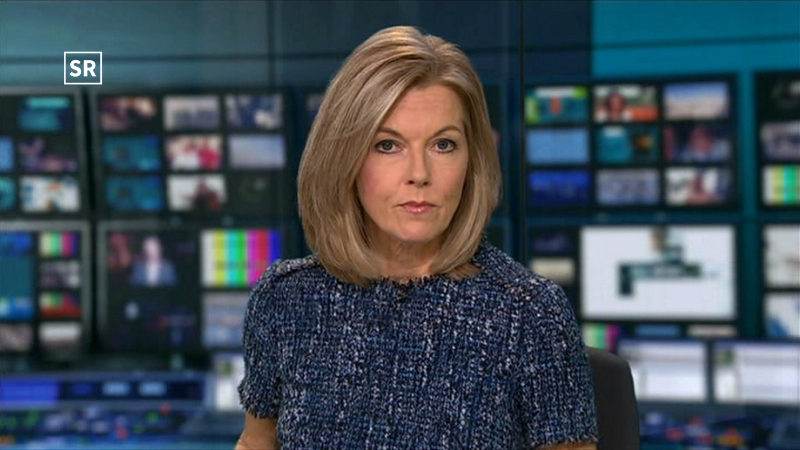
Another factor contributing to speculation around mary nightingale illness is the natural process of aging. Television places individuals under intense visual scrutiny, where even minor changes are magnified. Slight weight changes, fatigue during demanding news cycles, or alterations in on-screen style can all trigger unfounded concern.
Aging is not an illness, yet it is often treated as one in public discourse, especially when it comes to women in media. This double standard frequently results in unnecessary speculation that would not arise if the same changes were observed in male counterparts. Recognizing this bias is crucial in understanding why such rumors persist.
High-profile news presenting is an extremely demanding profession. Long hours, breaking news pressure, and the emotional toll of reporting on tragedies can impact even the most experienced journalists. Discussions around mary nightingale illness sometimes fail to consider the intense workload associated with her role.
Stress-related fatigue does not necessarily indicate illness. Like professionals in many high-responsibility fields, broadcasters may occasionally step back to recharge. Such breaks are often misinterpreted by audiences who are accustomed to seeing the same face on screen daily, further fueling speculation.
The emotional investment viewers feel toward Mary Nightingale explains why concern over mary nightingale illness continues to resurface. She has been present during moments of national importance, making her feel like a familiar and reassuring figure. When that presence appears disrupted, it can feel unsettling to loyal audiences.
This phenomenon is not unique to Mary Nightingale. Many long-serving broadcasters experience similar scrutiny, demonstrating how deeply viewers connect with those who deliver the news. While this connection is understandable, it should be balanced with respect for personal boundaries.
Modern media consumption often blurs the line between journalism and speculation. Blogs and content farms sometimes capitalize on trending searches like mary nightingale illness without offering substantiated information. These articles may use dramatic headlines while providing little factual content, contributing to confusion rather than clarity.
Responsible media consumption involves questioning sources, recognizing speculation, and avoiding the spread of unverified claims. Readers play an active role in shaping the media landscape by choosing accuracy over sensationalism.
Speculating about someone’s health can have real emotional consequences, even when intentions are rooted in concern. Persistent rumors surrounding mary nightingale illness may place unnecessary pressure on the individual involved, as well as their family and colleagues.
Public figures are aware of online discourse, and repeated speculation can be distressing, particularly when it is unfounded. Understanding this impact encourages more compassionate and ethical engagement with public personalities.
There is a fine line between caring about a public figure and intruding into their private life. Genuine concern should never translate into entitlement to personal information. In discussions about mary nightingale illness, this distinction becomes especially important.
Respectful admiration means appreciating her work, acknowledging her contributions, and allowing her the dignity of privacy unless she chooses to speak openly. This approach fosters a healthier relationship between audiences and media professionals.
Despite ongoing speculation, Mary Nightingale continues to demonstrate professionalism and resilience. Her continued presence in journalism speaks louder than rumors. Rather than focusing on mary nightingale illness, it may be more meaningful to recognize her achievements, longevity, and impact on British broadcasting.
Her career serves as an example of dedication and adaptability in an industry that has undergone significant change over the decades. This strength, more than any unconfirmed rumor, defines her public legacy.
The rise of search engines has transformed curiosity into measurable data. When many people search for mary nightingale illness, it creates the impression of an ongoing issue, even if none exists. Algorithms amplify interest without evaluating accuracy, reinforcing cycles of speculation.
Understanding how digital platforms work helps explain why such topics trend repeatedly. Popularity does not equate to truth, and awareness of this distinction is essential for informed reading.
A common misconception in discussions about mary nightingale illness is that silence implies confirmation. In reality, silence often reflects a deliberate choice to maintain privacy. Public figures are not obligated to respond to every rumor, especially those lacking factual basis.
Interpreting silence as evidence only perpetuates misinformation. A more reasonable approach is to rely on confirmed statements rather than assumptions.
The focus on mary nightingale illness also highlights a broader societal issue: how health is discussed in relation to visibility and productivity. There is an underlying expectation that public figures must constantly appear energetic and unchanged, leaving little room for normal human variation.
Challenging this expectation allows for more realistic and compassionate perceptions of people in the public eye. It also reduces stigma around taking breaks, aging, or prioritizing well-being.
No, there has been no official or verified confirmation from Mary Nightingale regarding any specific illness. Most discussions around mary nightingale illness are based on speculation rather than facts.
The searches largely stem from public concern, her long-standing presence on television, and occasional absences that viewers notice more due to familiarity.
While concern is natural, speculation without confirmation crosses into intrusion. Respecting privacy is essential, even for public figures.
Yes, journalism is a high-pressure profession, and stress or fatigue can affect appearance or scheduling without indicating serious illness.
The most respectful approach is to appreciate their work, avoid spreading rumors, and allow them privacy unless they choose to share personal information.
The ongoing interest in mary nightingale illness reflects a complex mix of admiration, concern, and the modern tendency toward speculation. While curiosity about familiar public figures is understandable, it must be balanced with responsibility and respect. At present, there is no verified information confirming any serious health condition, and assumptions should not replace facts.
Mary Nightingale’s enduring career, professionalism, and continued contribution to journalism remain the most meaningful aspects of her public life. By focusing on her work rather than unconfirmed rumors, audiences can maintain a healthier and more ethical relationship with the media figures they admire.
for more updates come back to our website proguesthub.com