
Introduction to Claims Management Software
In today’s fast-moving and highly regulated business environment, organizations can no longer afford slow, manual, or error-prone claims processes. Whether it is insurance claims, healthcare reimbursements, workers’ compensation, or corporate risk claims, managing them efficiently has become a strategic necessity rather than a back-office task. This is where Claims Management Software comes into play. At its core, this software is designed to automate, streamline, and standardize the entire claims lifecycle, from initial intake to final settlement and reporting.
Traditionally, claims were handled using spreadsheets, paper files, emails, and disconnected systems. While this approach may have worked in the past, it created silos, delayed approvals, increased the risk of human error, and made compliance difficult. Modern Claims Management Software replaces these outdated methods with a centralized digital platform that offers real-time visibility, intelligent workflows, and data-driven insights. As a result, organizations can process claims faster, reduce costs, and significantly improve stakeholder trust.
Beyond efficiency, claims management is also about experience. Claimants expect transparency, timely updates, and fair resolutions. Regulators expect accurate documentation and adherence to policies. Management expects cost control and risk reduction. A robust Claims Management Software solution aligns all these expectations into a single, cohesive system that supports both operational and strategic goals.
Understanding the Core Concept of Claims Management
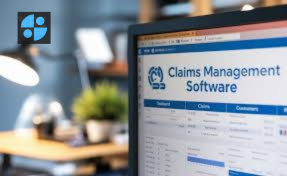
To truly appreciate the value of Claims Management Software, it is important to understand what claims management involves. Claims management is the structured process of receiving, evaluating, approving, settling, and closing claims while ensuring compliance with policies, regulations, and internal controls. Each claim represents a financial and reputational risk, making accuracy and consistency critical.
Claims can arise in many forms, including insurance claims, employee injury claims, liability claims, warranty claims, and healthcare claims. Each type follows a similar lifecycle but may have unique rules, documentation requirements, and stakeholders. Without a standardized system, managing these variations becomes complex and time-consuming. Claims Management Software provides configurable workflows that adapt to different claim types while maintaining consistency and control.
The software acts as a central nervous system for claims operations. It captures data at the point of entry, routes claims through predefined workflows, applies business rules, flags exceptions, and maintains a complete audit trail. This structured approach not only improves efficiency but also ensures that every claim is handled fairly, transparently, and in alignment with organizational policies.
Key Features of Claims Management Software
One of the strongest advantages of Claims Management Software is the wide range of features it offers to support end-to-end claim handling. These features are designed to eliminate manual tasks, reduce errors, and improve decision-making through automation and analytics.
A core feature is automated claim intake. Instead of relying on emails or paper forms, claims can be submitted digitally through portals, mobile apps, or internal systems. This ensures that all required information is captured upfront, reducing delays caused by incomplete submissions. Once a claim is entered, intelligent workflows automatically assign it to the appropriate handler based on predefined rules such as claim type, severity, or location.
Another essential feature is document management. Claims often involve multiple documents, including medical reports, invoices, photos, and correspondence. Claims Management Software stores all documents in a centralized repository, making them easy to access, search, and audit. This not only improves efficiency but also strengthens compliance and reduces the risk of lost or misplaced information.
Advanced reporting and analytics are also key components. The software provides dashboards and reports that track metrics such as claim volume, processing time, settlement costs, and fraud indicators. These insights help organizations identify trends, optimize processes, and make informed strategic decisions. By leveraging data, claims management evolves from a reactive function into a proactive risk management tool.
How Claims Management Software Improves Operational Efficiency

Efficiency is one of the most immediate and measurable benefits of implementing Claims Management Software. Manual claims processing is inherently slow and resource-intensive, often requiring repetitive data entry, manual reviews, and constant follow-ups. Automation replaces these inefficiencies with streamlined workflows that move claims forward without unnecessary delays.
By automating routine tasks such as data validation, document routing, and status updates, claims handlers can focus on higher-value activities like investigation, negotiation, and customer communication. This not only improves productivity but also reduces burnout among staff who no longer need to manage administrative overload. Faster processing times lead to quicker settlements, which directly enhances customer satisfaction.
Efficiency gains also extend to cross-department collaboration. Claims often involve multiple stakeholders, including finance, legal, HR, and external partners. Claims Management Software provides a shared platform where all parties can access relevant information in real time. This eliminates communication gaps, reduces duplication of effort, and ensures everyone is working with the same data.
Enhancing Accuracy and Reducing Errors
Accuracy is critical in claims management, as even small errors can lead to overpayments, disputes, or regulatory penalties. Manual processes are prone to mistakes such as incorrect data entry, missed deadlines, and inconsistent decision-making. Claims Management Software significantly reduces these risks by enforcing standardized processes and business rules.
Automated validations ensure that claims meet predefined criteria before moving forward. For example, the system can check policy coverage, eligibility, and documentation completeness automatically. If an issue is detected, the claim is flagged for review rather than progressing incorrectly. This proactive error prevention saves time and money while protecting organizational integrity.
Consistency is another major advantage. When claims are handled manually, outcomes can vary depending on who processes them. Claims Management Software applies the same rules and guidelines to every claim, ensuring fair and consistent treatment. This not only improves accuracy but also strengthens trust among claimants and regulators.
Compliance and Risk Management Benefits
Regulatory compliance is a growing challenge across industries, especially in insurance, healthcare, and financial services. Organizations must adhere to strict rules regarding data privacy, documentation, reporting, and timelines. Claims Management Software plays a vital role in maintaining compliance by embedding regulatory requirements directly into workflows.
The software maintains a complete audit trail of every action taken on a claim, including who accessed it, what changes were made, and when decisions were approved. This level of transparency is invaluable during audits or legal reviews. Instead of scrambling to compile records, organizations can easily demonstrate compliance with clear, structured data.
From a risk management perspective, Claims Management Software helps identify patterns that may indicate fraud, excessive costs, or systemic issues. Advanced analytics can highlight anomalies such as unusually high claim values or repeated claims from the same source. By addressing these risks early, organizations can reduce losses and strengthen overall governance.
Improving Customer and Stakeholder Experience
Claims are often associated with stressful or sensitive situations, such as accidents, illnesses, or financial losses. The way claims are handled has a direct impact on how customers perceive an organization. Claims Management Software enhances the customer experience by providing transparency, speed, and clear communication.
Digital portals allow claimants to submit claims easily, upload documents, and track progress in real time. Automated notifications keep them informed about status changes, reducing uncertainty and frustration. When customers feel informed and supported, trust and satisfaction increase significantly.
Internally, stakeholders also benefit from improved experience. Managers gain visibility into workloads and performance metrics, enabling better resource allocation. Executives receive strategic insights that support data-driven decision-making. By aligning operational efficiency with positive experiences, Claims Management Software creates value across the entire organization.
Use Cases Across Different Industries
While Claims Management Software is most commonly associated with insurance, its applications extend far beyond that sector. In healthcare, it is used to manage medical claims, reimbursements, and billing disputes. Automation helps reduce errors, accelerate payments, and improve relationships between providers and payers.
In corporate environments, claims management is often linked to risk and incident management. Organizations use the software to handle workers’ compensation claims, liability claims, and property damage incidents. By centralizing these processes, companies can reduce costs, improve safety outcomes, and gain insights into recurring risks.
Manufacturing and retail industries also benefit from Claims Management Software for handling warranty claims, returns, and supplier disputes. The ability to track claims data helps organizations identify product issues, improve quality control, and strengthen supplier relationships.
Integration with Other Business Systems
A modern Claims Management Software solution does not operate in isolation. Its true power is realized when it integrates seamlessly with other enterprise systems such as finance, HR, CRM, and document management platforms. Integration eliminates data silos and ensures a smooth flow of information across the organization.
For example, integration with financial systems allows automatic calculation and processing of claim payments, reducing manual reconciliation. Integration with CRM systems ensures that customer interactions related to claims are recorded and accessible, providing a complete view of the customer journey.
These integrations not only improve efficiency but also enhance data accuracy. When information is shared automatically between systems, the risk of discrepancies is significantly reduced. This interconnected approach supports smarter decision-making and a more agile organization.
Challenges in Implementing Claims Management Software
Despite its many benefits, implementing Claims Management Software is not without challenges. One common hurdle is resistance to change. Employees who are accustomed to manual processes may be hesitant to adopt new technology. Overcoming this requires effective change management, training, and clear communication about the benefits of the new system.
Data migration is another challenge. Transferring existing claims data from legacy systems or paper records into a new platform can be complex and time-consuming. Careful planning and validation are essential to ensure data accuracy and continuity.
Customization and configuration also require careful consideration. While flexibility is a strength of Claims Management Software, excessive customization can increase complexity and maintenance costs. Organizations should focus on aligning the software with core business needs while maintaining simplicity and scalability.
The Role of Automation and Artificial Intelligence
Automation and artificial intelligence are transforming the capabilities of Claims Management Software. AI-powered features such as intelligent document recognition, predictive analytics, and automated decision support are becoming increasingly common. These technologies further reduce manual effort and improve accuracy.
For instance, AI can analyze historical claims data to predict settlement outcomes or identify potential fraud risks. Machine learning models can continuously improve over time, adapting to new patterns and trends. This proactive approach allows organizations to address issues before they escalate.
Automation also enables straight-through processing for simple claims, where decisions are made automatically based on predefined rules. This significantly reduces processing time and frees up human resources to focus on complex cases that require judgment and expertise.
Future Trends in Claims Management Software
The future of Claims Management Software is shaped by digital transformation, customer expectations, and regulatory demands. Cloud-based solutions are becoming the standard, offering scalability, flexibility, and lower infrastructure costs. Mobile accessibility is also gaining importance, allowing users to manage claims anytime and anywhere.
Data analytics will continue to play a central role, with more advanced dashboards and predictive insights. Organizations will increasingly rely on data to optimize claims strategies, manage risk, and improve profitability. Personalization will also grow, enabling tailored workflows and communication based on individual claim profiles.
As technology evolves, Claims Management Software will move beyond operational efficiency to become a strategic tool that supports innovation, resilience, and long-term growth.
Conclusion
Claims Management Software has evolved from a simple administrative tool into a critical component of modern business operations. By automating workflows, improving accuracy, enhancing compliance, and delivering valuable insights, it empowers organizations to handle claims more effectively and strategically. The benefits extend beyond cost savings to include better customer experiences, stronger governance, and improved risk management.
While implementation requires careful planning and change management, the long-term value far outweighs the challenges. As industries continue to face increasing complexity and expectations, investing in robust Claims Management Software is no longer optional but essential for sustainable success. Organizations that embrace this technology position themselves to respond faster, operate smarter, and build greater trust with all stakeholders.
Frequently Asked Questions (FAQs)
What is Claims Management Software?
Claims Management Software is a digital solution that automates and manages the entire claims lifecycle, from intake and evaluation to settlement and reporting, ensuring efficiency, accuracy, and compliance.
Who uses Claims Management Software?
It is used across various industries, including insurance, healthcare, corporate risk management, manufacturing, and retail, by organizations that need to process and track claims efficiently.
How does Claims Management Software reduce costs?
By automating manual tasks, reducing errors, preventing fraud, and speeding up claim processing, the software lowers administrative expenses and minimizes financial losses.
Is Claims Management Software customizable?
Yes, most solutions offer configurable workflows, rules, and reporting features to align with specific business requirements while maintaining standardization.
What is the future of Claims Management Software?
The future includes greater use of automation, artificial intelligence, cloud deployment, advanced analytics, and enhanced customer-centric features to support smarter and faster claims handling.
YOU MAY ALSO READ THIS
Gartner Stock: A Deep-Dive Analysis into Performance,
for more updates come back to our website proguesthub.com

Pingback: Mark Directory FLPCrestation: A Complete Deep-Dive Into the Concept, Structure, and 100% Real-World Value - ProGuestHub