
Introduction: Understanding the Importance of Gartner Stock
When investors look for companies that combine intellectual capital, recurring revenue, and global influence, Gartner stock often comes into the conversation. Gartner is not a traditional technology manufacturer or software developer. Instead, it operates in a unique niche where research, advisory services, and data-driven insights shape the decisions of corporations, governments, and institutions worldwide. This makes Gartner stock fundamentally different from many tech-sector investments and, for long-term investors, particularly intriguing.
Unlike volatile startups or hardware-dependent businesses, Gartner’s strength lies in its knowledge-based services, brand authority, and trusted research methodologies. Companies rely on Gartner insights to decide which technologies to adopt, which vendors to trust, and how to navigate digital transformation. This consistent demand creates a stable foundation that reflects directly in Gartner stock performance over time.
In this article, we will take a comprehensive and human-style look at Gartner stock. We will explore the company’s business model, financial structure, competitive advantages, market behavior, risks, and future outlook. Whether you are a new investor or someone evaluating long-term holdings, this guide aims to provide a clear, informative, and realistic understanding of Gartner stock without unnecessary hype.
Overview of Gartner as a Business
To understand Gartner stock, it is essential to first understand Gartner as a company. Gartner operates as a global research and advisory firm that provides actionable insights to executives across industries. Its services help organizations make informed decisions related to technology investments, business strategies, and operational improvements.
Gartner’s business is built around subscription-based research, consulting services, and conferences. The majority of its revenue comes from long-term subscriptions, which means customers often renew contracts year after year. This recurring revenue model adds predictability and resilience to the company’s financial performance, a factor that long-term investors often value highly.
Another important aspect of Gartner’s business is its neutrality. Gartner does not sell software or hardware products, which allows it to maintain an independent position in the technology ecosystem. This independence strengthens its credibility, making its research more trusted and widely adopted. Over time, this trust becomes a competitive moat, directly supporting Gartner stock stability and growth.
The Core Business Model Behind Gartner Stock
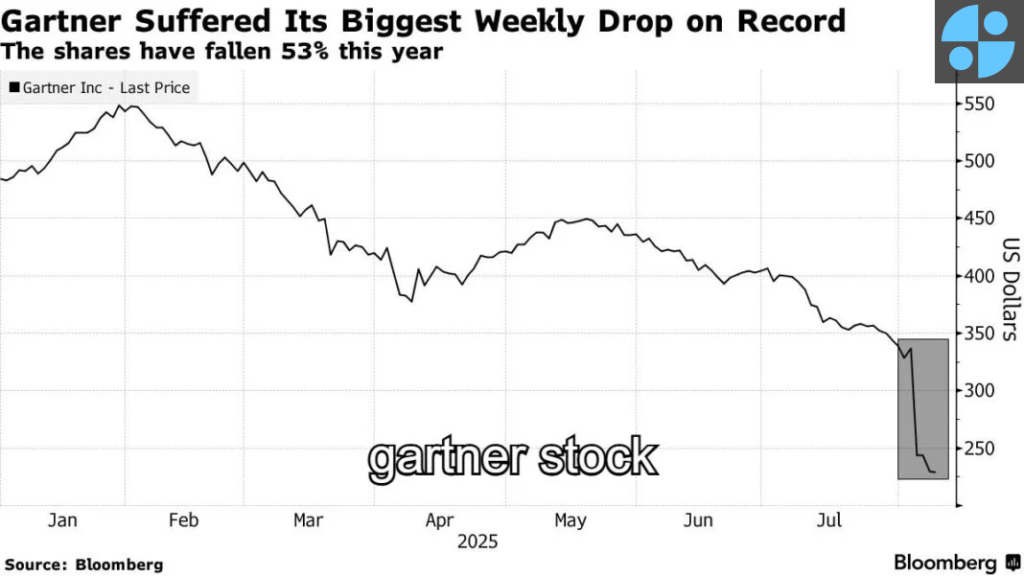
The business model behind Gartner stock is relatively simple but extremely effective. Gartner collects vast amounts of data, analyzes technology and business trends, and converts this knowledge into structured insights for its clients. Organizations subscribe to these insights to reduce risk and improve decision-making.
One of the strongest features of this model is its high customer retention rate. Once a company integrates Gartner research into its strategic planning process, switching to another provider becomes difficult. This creates long-term relationships and consistent cash flow. From an investor’s perspective, this translates into earnings stability, which often supports higher valuation multiples.
Additionally, Gartner continuously reinvests in research capabilities, analysts, and data tools. This reinvestment ensures that its content remains relevant in a fast-changing technological landscape. As digital transformation accelerates globally, Gartner’s role as a guide becomes even more critical, reinforcing the long-term value of Gartner stock.
Historical Performance and Market Behavior of Gartner Stock
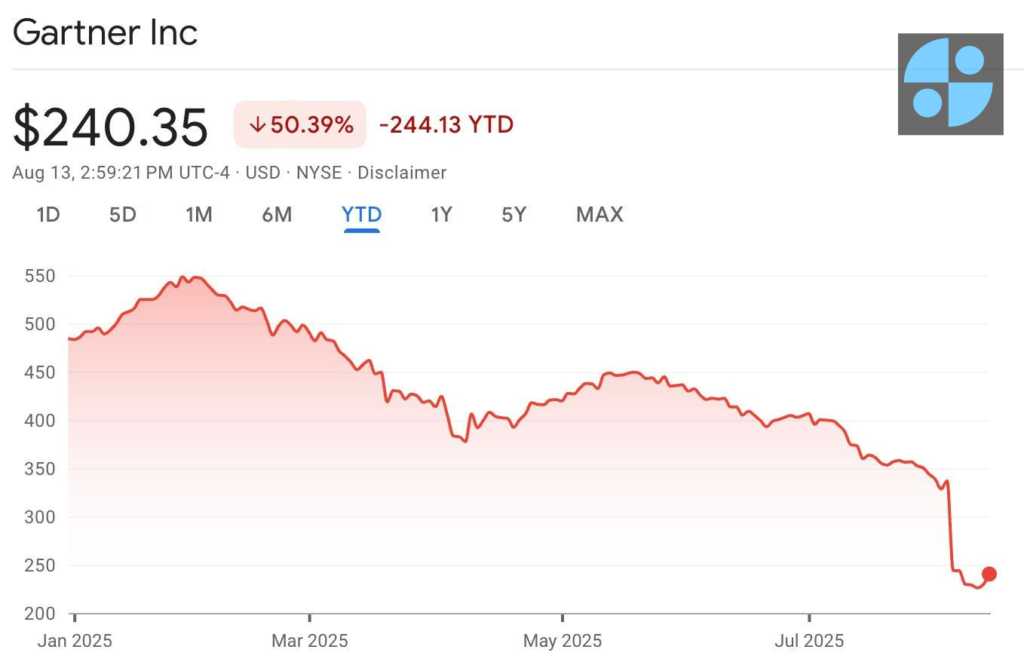
Looking at the historical performance of Gartner stock reveals a pattern of steady long-term growth rather than dramatic short-term spikes. While the stock has experienced market-driven fluctuations, its overall trajectory reflects the company’s consistent revenue expansion and margin improvement.
Gartner stock has generally shown resilience during economic uncertainty. Because many clients view Gartner’s services as essential rather than optional, subscriptions are often maintained even during downturns. This defensive characteristic makes Gartner stock attractive to investors seeking stability alongside growth.
Over time, the market has rewarded Gartner’s disciplined management approach, strong free cash flow generation, and shareholder-friendly strategies such as share buybacks. While short-term volatility can occur due to broader market sentiment, the long-term trend reflects confidence in Gartner’s durable business fundamentals.
Revenue Streams and Financial Strength
Gartner’s revenue structure plays a crucial role in shaping Gartner stock performance. The company earns most of its revenue from research subscriptions, followed by consulting and conferences. This diversified mix reduces dependence on any single revenue stream, lowering overall business risk.
The subscription model ensures predictable cash flow, while consulting services offer higher-margin opportunities. Conferences, though more cyclical, enhance brand visibility and create networking value for clients. Together, these streams support strong operating margins and consistent profitability.
From a financial standpoint, Gartner has demonstrated disciplined cost management and efficient capital allocation. Strong free cash flow allows the company to invest in growth initiatives, reduce debt when necessary, and return value to shareholders. This financial discipline strengthens investor confidence in Gartner stock as a long-term holding.
Competitive Advantages That Support Gartner Stock
One of the key reasons Gartner stock stands out is the company’s deep competitive moat. Gartner’s brand is synonymous with trusted research, and its frameworks, such as market evaluations and trend analyses, are widely recognized and referenced.
Another major advantage is the scale of Gartner’s analyst network. Thousands of experts across industries contribute to its research, creating a knowledge base that competitors find difficult to replicate. This scale enables Gartner to cover emerging technologies quickly and comprehensively.
Additionally, Gartner benefits from network effects. As more organizations rely on its research, its insights become industry benchmarks. This reinforces Gartner’s influence and makes its services even more valuable, indirectly strengthening the long-term appeal of Gartner stock.
Gartner Stock and the Technology Ecosystem
Although Gartner is not a technology producer, its fortunes are closely tied to the broader technology ecosystem. As businesses invest more in digital transformation, cloud computing, artificial intelligence, and cybersecurity, the demand for Gartner’s guidance increases.
Gartner acts as a bridge between technology providers and buyers, helping organizations navigate complex choices. This position allows the company to benefit from technological innovation without bearing the risks associated with product development or rapid obsolescence.
For investors, this means Gartner stock offers exposure to technology trends with comparatively lower volatility than many tech stocks. It captures the upside of innovation while maintaining a more stable risk profile.
Risks and Challenges Associated with Gartner Stock
No investment is without risk, and Gartner stock is no exception. One potential challenge is economic slowdown. While Gartner’s services are often considered essential, prolonged downturns could lead some clients to reduce spending or renegotiate contracts.
Another risk lies in competition. While Gartner has a strong market position, niche research firms and consulting companies continue to emerge. Although these competitors may not match Gartner’s scale, they can exert pricing pressure in specific segments.
Additionally, Gartner relies heavily on its analysts and intellectual capital. Retaining top talent is critical. Any significant loss of expertise could affect research quality and client satisfaction, which in turn could influence Gartner stock performance.
Valuation Perspective and Investor Sentiment
Gartner stock often trades at a premium compared to traditional consulting firms. This premium reflects its high-margin subscription model, strong cash flow, and long-term growth potential. Investors are willing to pay more for predictability and intellectual leadership.
However, valuation also means expectations are high. Any slowdown in growth or decline in retention rates can lead to short-term stock price corrections. For this reason, Gartner stock may not appeal to short-term traders seeking rapid gains.
Long-term investors, on the other hand, often view Gartner stock as a compounder, a company capable of steadily increasing earnings and shareholder value over time. This mindset aligns well with Gartner’s business structure and strategic focus.
Management Strategy and Corporate Governance
Gartner’s management plays a vital role in shaping the future of Gartner stock. The leadership team has consistently emphasized sustainable growth, research excellence, and client value rather than aggressive expansion.
Corporate governance practices at Gartner focus on transparency, accountability, and long-term value creation. This approach reduces strategic risk and supports investor confidence, especially for institutional shareholders.
Management’s ability to adapt to changing market conditions while maintaining core values has been a defining factor in Gartner’s success. This adaptability remains a key pillar supporting Gartner stock’s long-term outlook.
Long-Term Growth Outlook for Gartner Stock
The long-term outlook for Gartner stock appears closely tied to global trends in technology adoption and business complexity. As organizations face increasingly complex decisions, the demand for trusted, data-driven guidance is likely to grow.
Emerging areas such as artificial intelligence governance, digital ethics, and cybersecurity strategy present new opportunities for Gartner to expand its research offerings. These expansions can drive incremental revenue growth without significantly increasing risk.
Moreover, Gartner’s global presence positions it well to benefit from digital transformation in emerging markets. This geographic diversification further strengthens the long-term investment case for Gartner stock.
Conclusion: Is Gartner Stock Worth Considering?
In conclusion, Gartner stock represents a unique blend of stability, intellectual leadership, and long-term growth potential. Unlike many technology-related investments, Gartner does not rely on rapid innovation cycles or consumer trends. Instead, it thrives on trust, data, and decision-making expertise.
For investors seeking exposure to the technology ecosystem without excessive volatility, Gartner stock offers a compelling option. Its subscription-based revenue, strong margins, and competitive advantages provide a solid foundation for sustainable growth.
While valuation and market conditions should always be considered, Gartner stock stands out as a high-quality investment for those with a long-term perspective. Its role as a trusted advisor in an increasingly complex world suggests that its relevance, and value, are likely to endure.
Frequently Asked Questions (FAQs)
1. What type of company is Gartner, and how does it affect Gartner stock?
Gartner is a research and advisory firm, not a product-based technology company. This structure provides stable, recurring revenue, which supports long-term stability in Gartner stock.
2. Is Gartner stock considered a technology stock?
Gartner stock is often grouped with technology-related stocks, but it is better described as a knowledge and advisory services stock with indirect exposure to tech trends.
3. Why does Gartner stock often trade at a premium valuation?
The premium reflects Gartner’s strong margins, subscription-based revenue, high client retention, and predictable cash flows, which investors value highly.
4. What are the main risks associated with investing in Gartner stock?
Key risks include economic slowdowns, competitive pressure from niche firms, and the need to retain top analytical talent.
5. Is Gartner stock suitable for long-term investors?
Yes, Gartner stock is generally considered suitable for long-term investors who prioritize stability, consistent growth, and exposure to global technology decision-making trends.
YOU MAY ALSO READ THIS
https://proguesthub.com/riskonnect-a-complete-guide-to-modern-risk-manage/
for more updates come back to our website proguesthub.com

Pingback: Tips DrHomey: The Ultimate Guide to Smarter, Healthier, and More Balanced Living - ProGuestHub