Physical Address
304 North Cardinal St.
Dorchester Center, MA 02124
Physical Address
304 North Cardinal St.
Dorchester Center, MA 02124

Discover the Craft of Authority Publishing
Discover the Craft of Authority Publishing

In a world where public exposure is often mistaken for importance, the story of Debra Lee Blocker offers a thoughtful contrast. Her name is frequently searched, yet reliable information about her life remains limited. This is not due to a lack of significance, but rather because she represents something increasingly rare: a deliberate choice to live away from the spotlight. While many individuals connected to famous families feel pressured to embrace public life, Debra Lee Blocker appears to have followed a different path, one shaped by privacy, grounded values, and personal independence.
This article explores what is known, what can be responsibly inferred, and why her story matters. Instead of speculation, the focus is on context, family heritage, and the broader idea of identity beyond celebrity culture. In doing so, we gain insight not only into Debra Lee Blocker, but also into how personal legacy can exist quietly, without headlines or constant attention.
To understand Debra Lee Blocker, it is essential to look at the environment into which she was born. She is widely known as the daughter of Dan Blocker, a beloved American actor best remembered for his role as Hoss Cartwright on the classic television series Bonanza. During the height of his career, Dan Blocker was not just a television star; he was a cultural figure whose presence symbolized warmth, strength, and authenticity for millions of viewers.
Growing up in such a household would naturally shape a child’s early experiences. Fame brings privilege, but it also brings scrutiny. Children of well-known figures often face expectations before they have the chance to discover who they truly are. For Debra Lee Blocker, this context likely influenced her later decisions, particularly the apparent choice to maintain a low-profile life.
What stands out is not a trail of public interviews or media appearances, but rather their absence. This absence itself tells a story. It suggests a family environment where personal boundaries were respected and where identity was not defined solely by a parent’s career.
While many celebrity children become public figures by default, Debra Lee Blocker appears to have taken a different route. There is no widely documented acting career, media persona, or public brand attached to her name. This does not indicate a lack of achievement; instead, it points to a conscious separation between public fame and private fulfillment.
Growing up during a time when Hollywood was less intrusive than it is today may have helped reinforce this separation. Unlike the modern era of social media and constant exposure, earlier decades allowed families greater control over their personal lives. For Debra Lee Blocker, this likely meant the freedom to pursue education, interests, and relationships without public commentary.
Choosing a private path can be particularly powerful for someone with a famous last name. It reflects confidence in one’s own identity and a clear understanding that value does not depend on recognition. In many ways, this choice aligns with a deeper sense of self-respect and emotional balance.
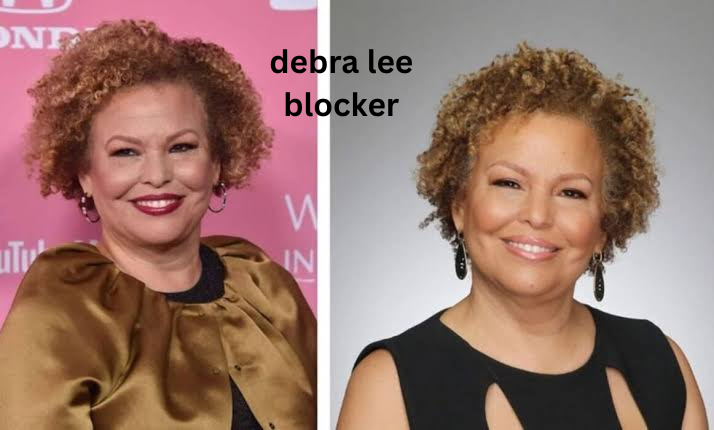
When people hear the word “legacy,” they often think of awards, public records, or historical achievements. However, Debra Lee Blocker represents a different kind of legacy, one that exists quietly through personal influence, family values, and lived principles.
Legacy is not always about visibility. Sometimes, it is about continuity, about carrying forward kindness, discipline, and integrity in everyday life. Being the child of a well-known actor does not automatically define a person’s contribution to the world. Instead, it offers a foundation from which they can choose their own direction.
In this sense, Debra Lee Blocker embodies the idea that legacy can be deeply personal. It can be expressed through relationships, ethical choices, and the way one treats others. These forms of impact rarely make headlines, yet they often have the most lasting effect.
In the modern digital era, privacy is often misunderstood as secrecy. In reality, privacy can be a powerful form of self-care and autonomy. The limited public information about Debra Lee Blocker suggests a strong commitment to maintaining personal boundaries, even when public curiosity exists.
This approach challenges the assumption that everyone connected to fame must share their life publicly. It also reminds us that silence does not equal insignificance. On the contrary, choosing privacy can reflect emotional maturity and a clear sense of priorities.
By not engaging with public narratives, Debra Lee Blocker avoids the distortion that often comes with media attention. Her life remains her own, defined by real experiences rather than public perception. In a culture driven by visibility, this restraint is both rare and admirable.
Public interest in Debra Lee Blocker is understandable, especially given her family connection. However, there is an important distinction between curiosity and entitlement. Not every story is meant to be fully visible, and not every individual owes the public access to their personal life.
Responsible understanding means acknowledging what is known without filling gaps with assumptions. It means respecting the fact that some people contribute to the world in ways that are not publicly documented. In the case of Debra Lee Blocker, her story invites reflection on how society values fame versus substance.
This perspective encourages a healthier relationship with public figures and their families. It reminds us that admiration for a famous individual does not extend ownership over their loved ones’ lives.
Children of celebrities often navigate complex emotional landscapes. They may experience advantages such as financial stability or access to unique opportunities, but they also face challenges related to identity formation and public expectations. Debra Lee Blocker appears to have navigated this terrain by prioritizing normalcy over notoriety.
This choice reflects a broader cultural truth: fame is not inherently fulfilling. Many people connected to celebrity families actively seek balance by focusing on education, personal relationships, and meaningful work outside the public eye. Their success is measured not by followers or recognition, but by personal satisfaction and inner peace.
In this way, Debra Lee Blocker serves as an example of how individuals can honor their family background without being defined by it.
Identity is shaped by many factors, including family, environment, and personal decisions. While her surname connects her to a famous legacy, Debra Lee Blocker remains an individual first and foremost. Her life choices suggest an emphasis on authenticity rather than expectation.
Individual choice plays a crucial role here. Not everyone desires public validation, and not everyone finds meaning in visibility. For some, fulfillment comes from private achievements, close relationships, and a sense of purpose that does not require applause.
By living outside the public narrative, Debra Lee Blocker reinforces the idea that identity is self-defined. This message resonates strongly in a time when external validation often overshadows inner clarity.
Even with limited public information, the story of Debra Lee Blocker matters because it challenges dominant cultural assumptions. It reminds us that importance is not measured by search results or media mentions. Sometimes, the most meaningful lives are those lived quietly, with intention and integrity.
Her story also highlights the importance of respecting personal boundaries. In an era where oversharing is normalized, choosing discretion can be a powerful statement. It shows that one can be connected to history and still prioritize personal peace.
Ultimately, Debra Lee Blocker represents the enduring value of privacy, the strength of individual choice, and the quiet dignity of living life on one’s own terms.
Debra Lee Blocker is known as the daughter of actor Dan Blocker, but she herself has maintained a largely private life away from public attention.
No, she is not considered a public figure in the traditional sense, as she has not pursued a career in entertainment or public media.
The limited information reflects a clear preference for privacy and a life outside the spotlight, rather than a lack of significance.
There is no reliable public record indicating that she pursued an acting career or involvement in the entertainment industry.
Public interest largely stems from her family connection, but her story also resonates because it represents a different approach to legacy and identity.
The life of Debra Lee Blocker illustrates that not all meaningful stories are loud or highly visible. Her apparent commitment to privacy, personal autonomy, and individual choice offers a refreshing counterpoint to modern celebrity culture. While her family background connects her to a well-known legacy, her own path reflects the strength of living authentically, without the need for constant recognition.
In understanding Debra Lee Blocker, we are reminded that legacy is not only about what is seen, but also about what is quietly preserved. Her story encourages respect for personal boundaries and appreciation for lives lived with intention, dignity, and inner balance.
For more visit website proguesthub.com