Physical Address
304 North Cardinal St.
Dorchester Center, MA 02124
Physical Address
304 North Cardinal St.
Dorchester Center, MA 02124

Discover the Craft of Authority Publishing
Discover the Craft of Authority Publishing
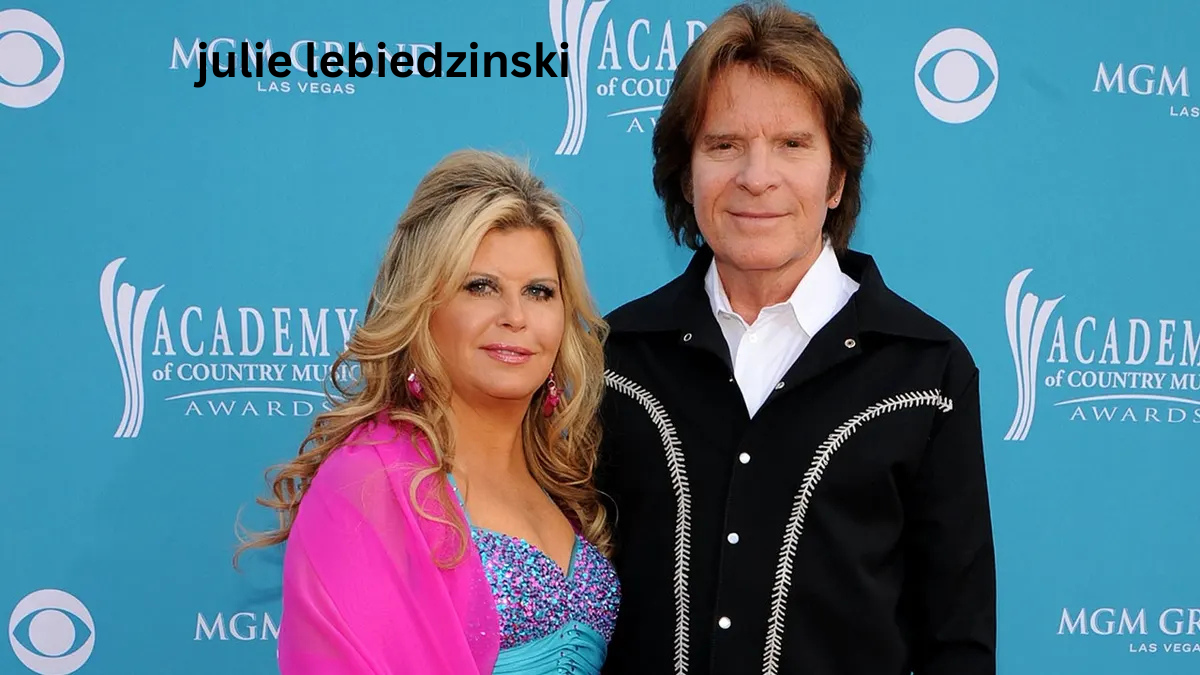
The name Julie Lebiedzinski has appeared in searches, discussions, and online queries that reflect a broader curiosity about individuals whose names surface in public records, professional contexts, or digital spaces. In an era where information travels quickly and search engines can amplify even the smallest mention, it becomes increasingly important to approach such topics with care, balance, and respect for truth. This article aims to provide a comprehensive, informative, and responsibly written overview centered on Julie Lebiedzinski, focusing on what can be understood from the name itself, the nature of public mentions, and the broader principles that guide ethical research and writing about individuals.
Rather than relying on speculation or unverified claims, this piece emphasizes context, responsible interpretation, and informational clarity. The goal is not to invent a narrative, but to explain how names like Julie Lebiedzinski can become points of interest, how readers can evaluate information thoughtfully, and why accuracy matters more than assumptions. By doing so, the article serves readers who seek understanding without compromising integrity or privacy.
Names carry meaning beyond identification. In digital environments, a name such as Julie Lebiedzinski can represent a person, a professional identity, a historical record, or even a point of confusion when multiple individuals share similar names. As search engines index content across platforms, names can appear in databases, academic citations, workplace acknowledgments, or community references, each with a different implication.
The significance of a name today lies in its digital footprint. A single mention can be replicated across multiple platforms, shaping perceptions whether or not the information is complete. This is why responsible writing avoids filling gaps with assumptions. When readers search for Julie Lebiedzinski, they may be looking for background, professional context, or clarification about where and how the name appears. Understanding this search intent helps writers present information that is informative without being intrusive or misleading.
One of the most important distinctions to make when discussing Julie Lebiedzinski is the difference between public mentions and private identity. A public mention might include a name appearing in a professional acknowledgment, a community listing, or a record associated with work or study. A private identity, on the other hand, encompasses personal life details that may not be publicly shared or relevant.
Responsible content creation respects this boundary. The presence of Julie Lebiedzinski in searchable contexts does not automatically imply public-figure status. Therefore, ethical writing focuses on how names appear and why they attract attention, rather than speculating about personal history, relationships, or private matters. This approach protects individuals while still addressing reader curiosity in a constructive way.

When users search for Julie Lebiedzinski, their intent can vary widely. Some may be verifying a name they encountered in a professional document. Others may be researching a colleague, an academic contributor, or a community participant. There are also cases where people search to differentiate between individuals with similar names.
Understanding this range of intent allows content to be structured in a way that answers common questions without overstepping. Informative writing can explain how to interpret public records, how to verify identity responsibly, and how to avoid misinformation. By centering on research literacy and critical thinking, this article aims to be useful regardless of the reader’s original reason for searching.
Accuracy is the cornerstone of trustworthy information. In discussing Julie Lebiedzinski, it is essential to emphasize verification rather than conjecture. Verification involves cross-checking sources, understanding context, and acknowledging when information is limited or inconclusive. This is especially important for names that are not associated with widely documented public figures.
Writers and readers alike benefit from recognizing the limits of available data. Saying “information is limited” is more honest than presenting unverified claims as facts. In the long run, this practice builds credibility and reduces the spread of misinformation. The name Julie Lebiedzinski thus becomes an example of why accuracy, restraint, and transparency are vital in content creation.
A digital footprint is the trail of data left behind by online activity. For a name like Julie Lebiedzinski, this footprint may include mentions in documents, profiles, or archives. Importantly, not all digital footprints are intentional, and not all accurately represent the individual behind the name.
Understanding digital footprints helps readers interpret what they find online. A single mention does not define a person, nor does it provide a complete picture. By framing Julie Lebiedzinski within this broader concept, readers are encouraged to think critically about how information is created, shared, and consumed. This awareness reduces the risk of misinterpretation and fosters a more nuanced understanding of online information.
Ethics play a crucial role when writing about people, especially those who may not have chosen public visibility. Ethical considerations include respecting privacy, avoiding harmful speculation, and ensuring that content serves a legitimate informational purpose. In the case of Julie Lebiedzinski, ethical writing means focusing on the name’s presence in information systems rather than constructing a personal narrative without consent.
This approach aligns with best practices in journalism, research, and digital publishing. It demonstrates that informative content can be thorough and engaging without compromising individual rights. Ethical considerations are not limitations but guidelines that enhance the quality and trustworthiness of the work.
Readers searching for Julie Lebiedzinski can benefit from understanding how to conduct responsible research. This includes evaluating the credibility of sources, recognizing the difference between primary and secondary information, and being cautious about conclusions drawn from limited data.
Responsible research also involves questioning why certain information is available and what might be missing. By applying these principles, readers can form a more accurate understanding while avoiding the pitfalls of misinformation. This section underscores the idea that informed readers are active participants in the information ecosystem, not passive consumers.
Name-based searches are increasingly common, reflecting how people navigate professional networks, academic references, and social connections. Julie Lebiedzinski serves as a representative example of how a name can prompt inquiry without necessarily implying widespread public documentation.
By examining the broader context of such searches, we see patterns in how information is sought and used. This understanding benefits both content creators and readers, encouraging clarity, respect, and precision. It also highlights the importance of context when interpreting search results related to any individual name.
Assumptions and stereotypes can easily arise when information is incomplete. Avoiding them is essential to fair and accurate writing. With Julie Lebiedzinski, avoiding assumptions means not attributing professions, achievements, or personal characteristics without reliable evidence.
This restraint does not weaken the article; instead, it strengthens it by ensuring that every statement is grounded in principle rather than guesswork. Readers are better served by content that explains uncertainty than by narratives that prioritize storytelling over truth.
Human-written content brings nuance, judgment, and ethical awareness that automated or speculative writing often lacks. In addressing Julie Lebiedzinski, a human-centered approach allows for careful consideration of what should and should not be said. It balances reader interest with respect for individuals, creating content that is both informative and responsible.
This approach reinforces the value of thoughtful writing in a digital landscape saturated with information. By prioritizing clarity and ethics, human-written articles contribute positively to knowledge sharing and public discourse.
The exploration of Julie Lebiedzinski in this article is less about defining a single individual and more about understanding how names function within the digital information environment. Through discussions of public mentions, research ethics, digital footprints, and responsible interpretation, the article provides a comprehensive framework for approaching name-based searches thoughtfully.
By emphasizing accuracy, privacy, and context, this piece demonstrates that informative content does not require speculation to be engaging. Instead, it shows that respect for truth and individuals leads to more meaningful and trustworthy information. As readers continue to navigate a world rich with data, these principles remain essential guides.
What kind of information is appropriate to share about Julie Lebiedzinski
Appropriate information focuses on publicly available, non-intrusive mentions and avoids private or speculative details that are not verified.
Why is it important to avoid assumptions when writing about individuals
Avoiding assumptions prevents the spread of misinformation and respects the rights and privacy of individuals who may not be public figures.
What does a digital footprint mean in relation to Julie Lebiedzinski
A digital footprint refers to the traces of information associated with the name across online platforms, which may or may not reflect the full reality of the individual.
How can readers verify information responsibly
Readers can verify information by checking credible sources, understanding context, and acknowledging when data is limited or unclear.
Why focus on ethical writing in name-based articles
Ethical writing ensures accuracy, protects privacy, and builds trust between content creators and readers, leading to higher-quality information overall.
For more visit website proguesthub.com